- +1 702-876-3222
- info.kidschoicepd@gmail.com
- Mon & Fri: 9:00 AM–3:00 PM | Tue–Thu: 8:00 AM–5:00 PM | Sat–Sun: Closed
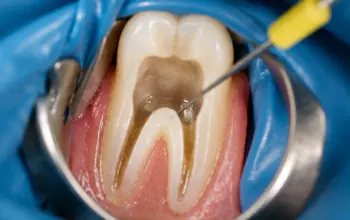
A baby root canal, also called a pulpotomy, saves a baby tooth when deep decay has reached the nerve inside it. Dr. Ezeanolue removes the damaged pulp from the crown, treats the area to relieve pain, and restores the tooth.
Kids Choice Pediatric Dentistry is a board certified pediatric dental practice in Las Vegas. This treatment is part of our Restorative Dentistry care.
A baby root canal may be needed when decay has reached deep inside a baby tooth. Signs to watch for include:
→ A deep cavity that has reached the tooth’s nerve
→ Tooth pain that doesn’t go away
→ Swelling or a small bump on the gums
→ Sensitivity to hot or cold that lingers
A toothache that doesn’t improve is often the first sign parents notice.
Only an exam and x-ray can show whether the nerve can be saved, so we check every tooth first.
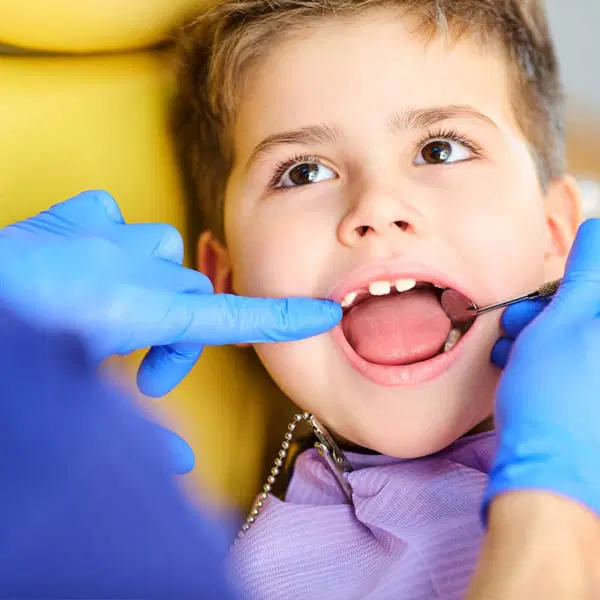
Baby teeth fall out eventually, but they do important work. Saving one protects your child’s comfort and guides the permanent tooth into place.
→ Relieves Pain. Removing the damaged pulp stops the pain at its source.
→ Preserves the Natural Tooth. A saved baby tooth keeps working for chewing and speaking until it is ready to fall out on its own.
→ Protects Development. A healthy baby tooth holds space for the permanent tooth underneath, helping it come in correctly and reducing the chance of crowding later on.
Pulling a tooth can seem simpler, but saving it is often better long term. Not sure which is right?
Dr. Ezeanolue will walk you through both options after an exam and x-ray.
Local anesthesia numbs the tooth, and nitrous oxide is available for children who feel especially anxious. If your child needs more support, our sedation options include general anesthesia.
We know “root canal” can sound scary, even more than a filling or crown. Our team takes extra time to explain each step in simple, friendly language, so your child feels calm and prepared.
We also care for children with autism spectrum disorder, sensory processing disorder, ADHD, and Down syndrome, with the extra patience they need. See Special Needs Dentistry.
Some mild soreness for a day or two afterward is normal and usually fades on its own.
Dr. Ezeanolue is board certified by the American Board of Pediatric Dentistry, with 15 years of pediatric dentistry experience.
We accept Nevada Medicaid (SilverSummit), CHIP, and many major plans, plus in-house payment plans.
We offer in-office nitrous oxide and in-office general anesthesia for eligible patients, with outpatient surgery center anesthesia for more complex cases.
Kids Choice Pediatric Dentistry holds a 5.0 star Google rating from more than 400 local families.
Often, yes. “Baby root canal” is the everyday name parents use for a pulpotomy, where only the damaged pulp in the crown of a baby tooth is removed. A traditional root canal, used mostly on permanent teeth, cleans the full root canals. Dr. Ezeanolue recommends what fits after an exam and x-ray.
Your child is numbed with local anesthesia before treatment begins, so they should feel some pressure but not pain. Nitrous oxide is available for children who feel anxious. Mild soreness for a day or two afterward is normal and usually fades on its own.
Baby root canals are a standard pulp therapy treatment for baby teeth in pediatric dentistry. Dr. Ezeanolue is board certified by the American Board of Pediatric Dentistry, with 15 years of experience. We examine and x-ray the tooth first to confirm it is the right choice.
Often, yes, when the nerve is affected. A baby tooth can stay in place for years and holds space for the permanent tooth. Leaving deep decay untreated can cause pain. Saving the tooth helps your child chew comfortably and keeps the permanent tooth on track.
Usually, yes. A treated baby tooth is weaker, so a crown protects it and supports normal chewing and biting. It also helps the tooth last until it is ready to fall out on its own. Dr. Ezeanolue will explain which crown suits your child’s tooth best.
Cost depends on the extent of treatment and your insurance coverage. We accept Nevada Medicaid, CHIP, and many major insurance plans, plus in-house payment plans. Contact our office and we will walk you through your options.
Our team is here to make the visit gentle, comfortable, and stress free for the whole family. Book online 24/7. New patients are typically seen within about one week.